Note: It is recommended that you talk to your doctor before taking new supplements or medications or starting any new health program or treatment.
 According to an article in Medical News Today by Tim Newman, “A large-scale meta-analysis using more than 10,000 participants concludes that vitamin D supplementation may help to prevent a major cause of global death – acute respiratory tract infections.”
Wow! I don’t know about you, but this is huge news to me that taking vitamin D supplements may help us avoid the flu.

This study came out in February 2017 and I’m wondering why it hasn’t received more coverage.

That same article also mentions: “Some researchers have concluded that vitamin D has the ability to trigger an immune response to certain viruses and bacteria.”
However, despite the large number of participants and thoroughness of the study, due to limitations, some researchers remain skeptical of the effect.
Here’s what the British Association for Applied Nutrition & Nutritional Therapy had to say about the study:
“BANT welcomes the publication of the study by Martineau et al., which concluded that taking Vitamin D supplementation was safe and it protected against acute respiratory tract infection overall. Patients who were very vitamin D deficient and those not receiving bolus doses experienced the most benefit”.*

I, too, welcome the information provided in the study. Influenza is bad enough when we get it ourselves, but worse when our children or grandchildren get it. Or an elderly family member.
It’s not only heartbreaking, but in many instances, life threatening.

So, I’m getting the word out to all my friends, loved ones, and readers. I hope you’ll help me spread this valuable info.

Based on the study, some doctors suggest healthy adults take 5,000 to 8,000 IU (international units) daily during flu season to prevent influenza.
The Vitamin D Council recommends that healthy adults take 5,000 IU of vitamin D3 daily. Their site also lists the lower doses recommended by the Endocrine Society, which recommends 1,500 to 2,000 IU a day for adults. The Food and Nutrition Board recommends 600 IU daily for adults, but 800 IU for seniors.
The Food and Nutrition Board’s doses are the U.S. government’s official recommendations.

If you’re wondering why there are discrepancies in the recommendations from these various sources, The Vitamin D Council explains, “Some researchers believe that there isn’t enough evidence to support taking higher amounts of vitamin D yet. On the other hand, some researchers believe that research is proving, or will prove, that taking lower amounts isn’t enough.”
To learn more about Vitamin D, you can find a wealth of information on The Vitamin D Council’s website. It lists certain medical conditions and medications that you will need to take extra care and check with your doctor or a specialist before taking Vitamin D.
Next week, we’ll cover more on preventing the flu.
What are your thoughts? Had you heard about this study? Have you had the flu? What do you do to prevent it?
I’d love to hear from you.
If you’d like to receive future posts, fill in your email address in the “Subscribe” window under the welcome video in the sidebar.
Thanks for visiting!
*According to The Free Dictionary, a bolus dose is a quantity of fluid or medicine given intravenously at a controlled, rapid rate.
Sources:
The BMJ: Vitamin D supplementation to prevent acute respiratory tract infections: systematic review and meta-analysis of individual participant data
BANT – British Association for Applied Nutrition & Nutritional Therapy: Vitamin D – Not Just for Bones and Muscle.
Medical News Today article: New evidence that vitamin D prevents respiratory infections.
Images: Courtesy of Pixabay: kdbcms, geralt, gfhjkm123, mohamed_hassan, ElisaRiva
Note: It is recommended that you talk to your doctor before taking new supplements or medications or starting any new health program or treatment.

SaveSave
SaveSave
SaveSave
SaveSaveSaveSave
SaveSave
SaveSave














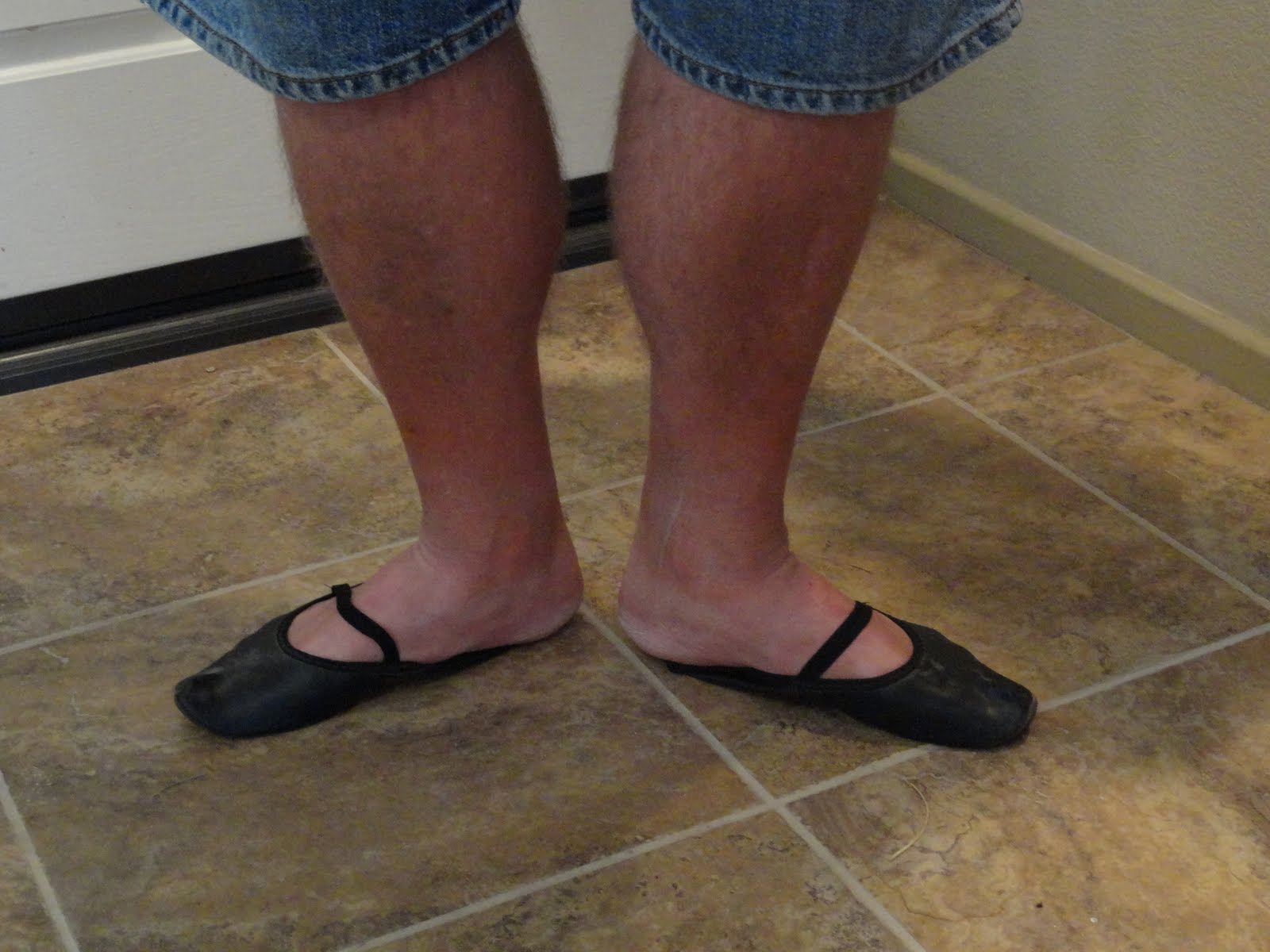
 There you go. Much better!
 Don’t forget to pay attention to little details. Does your teen female curl her toes when Dreamland Dude flirts with her?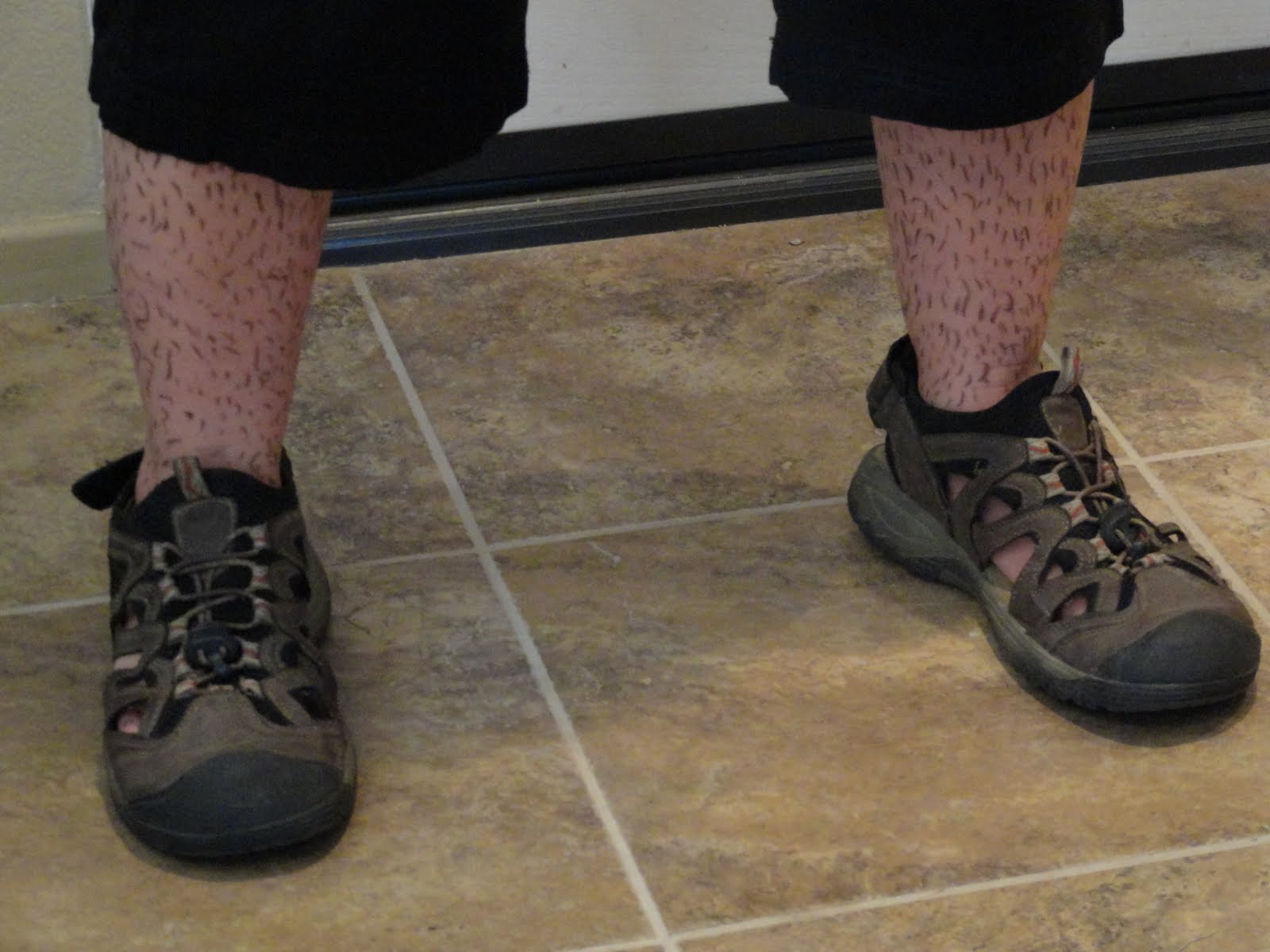






















 This is what the setting looks like in proper perspective.